If you want to know how to fix a loose chair, begin by locating the movement rather than reaching for glue. Check which connection is shifting and look for cracked timber, a broken tenon or a missing peg. A chair that rocks or racks can be unsafe to use until you understand the cause.
A loose joint may be repairable, but taking it apart is not always the first step. The right approach depends on the chair’s construction, the condition of the wood and the value of its finish. This guide explains what to check, what a careful repair involves and when to stop and ask a furniture restorer.
Diagnose the movement before adding glue
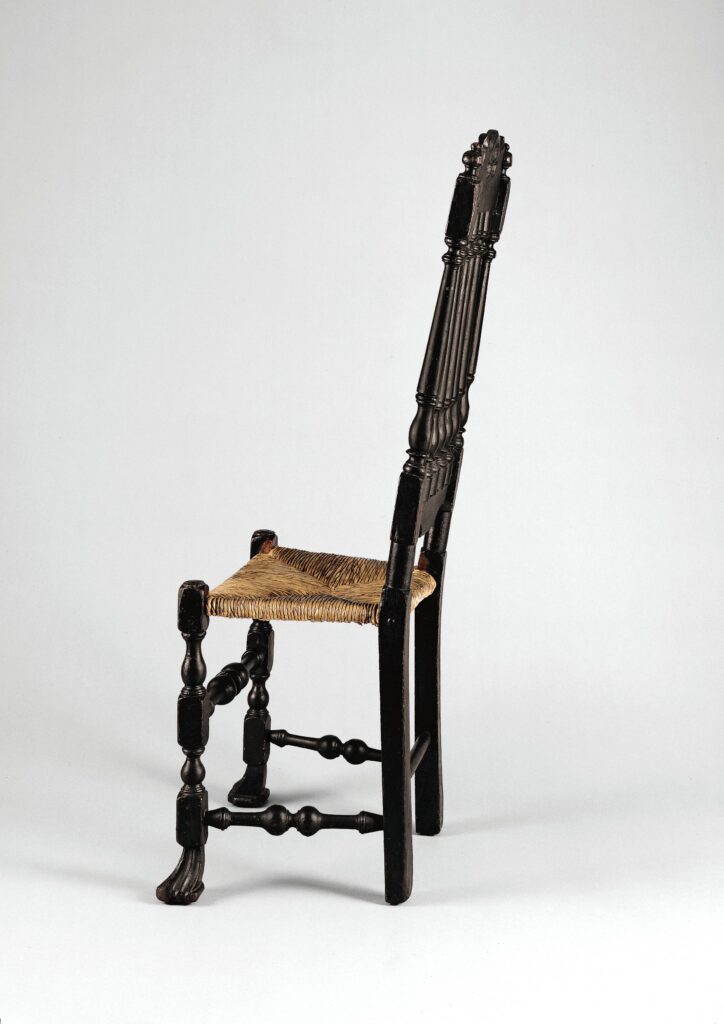
Set the chair on a level surface and, without sitting on it, gently move one leg or rail at a time. Watch where the movement begins. Check the stretchers and the joints between the legs, rails and back; a loose connection can make the whole frame shift. The vintage furniture buying guide covers the broader checks to make before bringing an old piece home.
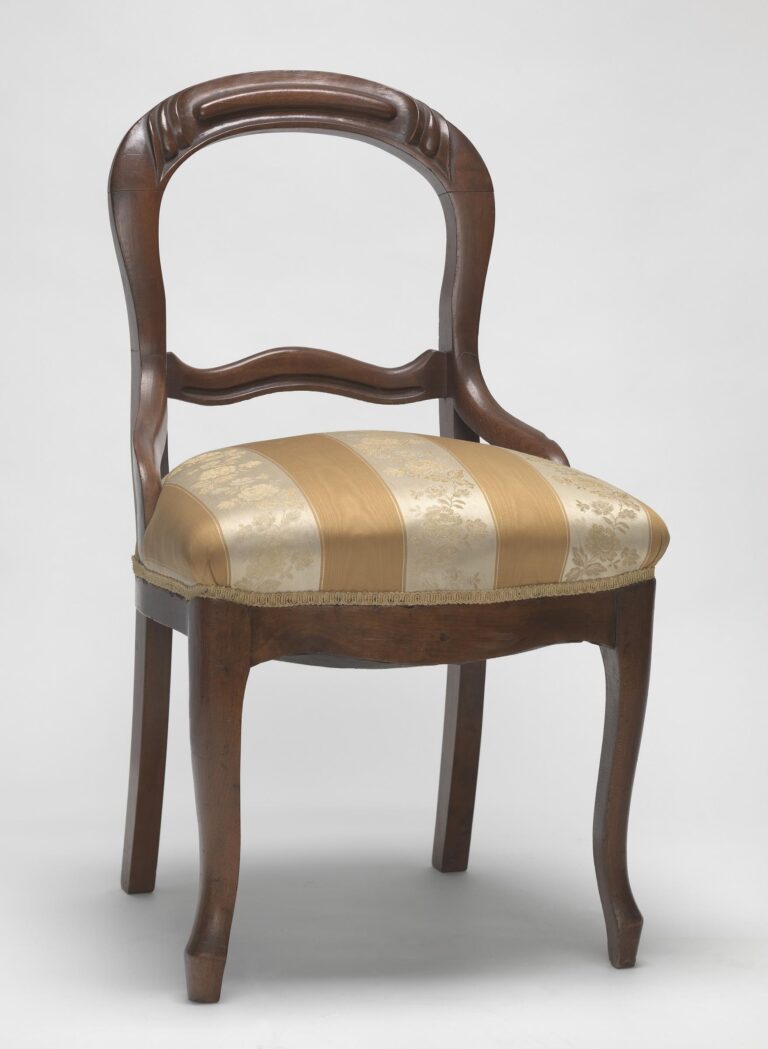
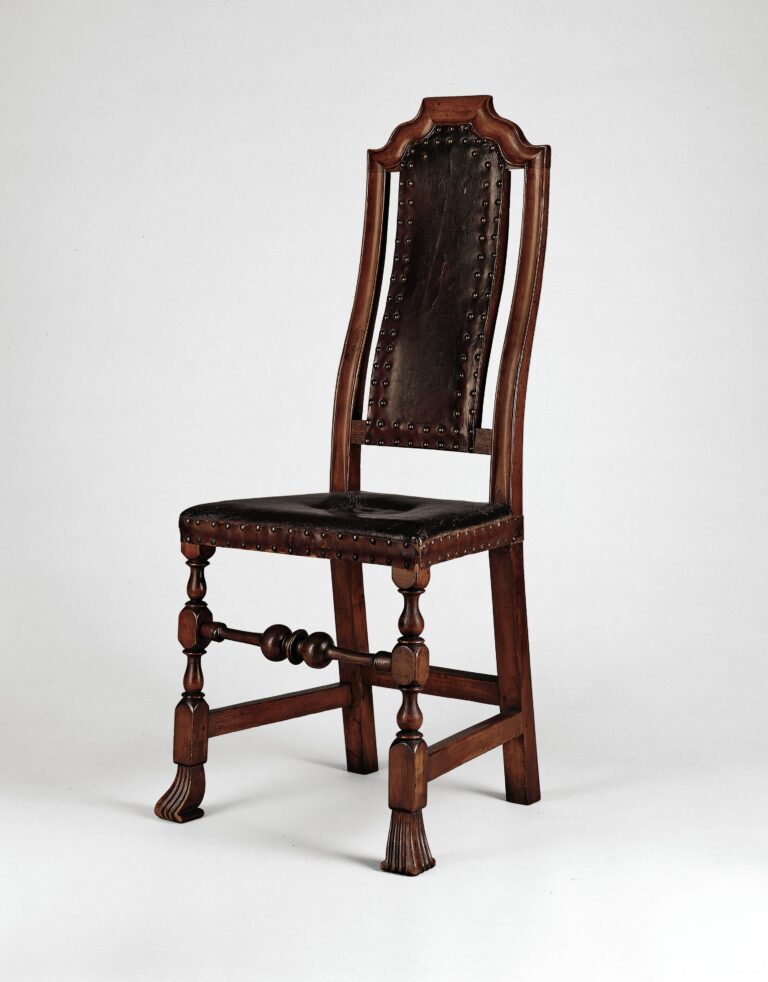
Before deciding how to fix a loose chair, check the construction. A mortise-and-tenon joint may use glue, pegs, wedges or screws, sometimes together. Look for a split rail, crushed wood around the joint, a snapped tenon or a missing fastener. These are different problems from a sound joint that has simply loosened, and fresh glue will not replace missing or broken timber.
Why glue on the outside is unreliable
Squeezing glue into the visible seam can leave you guessing whether it reached the surfaces that need to bond. If the joint has separated or old adhesive is still between the faces, a new layer may attach to residue instead of clean wood. That is why simply gluing over the top is not a dependable repair.
There are exceptions: a specialist may choose a less-invasive method for a joint that should not be dismantled. In its furniture-conservation case study, West Dean College describes changing its approach after dismantling pegged joints caused damage. The lesson is to assess the construction before choosing a method, not to force every joint apart.
How to fix a loose chair without forcing the joint
Before deciding how to fix a loose chair, photograph the joint and note how its parts fit together. Continue only if it separates with controlled, gentle pressure and the surrounding wood is sound. Protect nearby surfaces and use a padded block if light tapping is needed. Stop if the joint resists, the frame begins to split or the finish is at risk; repeated hammering can turn a repair into a larger restoration.

Once apart, remove loose adhesive carefully from both mating surfaces. A scraper is usually easier to control than aggressive sanding, which can remove wood and leave a poor fit. Dry-fit the pieces before applying adhesive: they should meet in the correct position without being forced, and the chair frame should sit square.
Choose the adhesive and clamp with care
There is no single glue that suits every chair. The original adhesive, the age and condition of the wood, the fit of the joint and the possibility of future repairs all matter. Hide glue is used in traditional furniture conservation, while modern adhesives may suit some newer pieces. For an antique or valuable chair, ask a restorer before choosing an adhesive that could make later work harder.
Before gluing, practise the assembly and clamp placement dry. Use pads to protect the finish, bring the joint together without twisting the frame and check that the legs remain aligned. Follow the adhesive maker’s directions for working time and cure time; do not put the chair back into use until the joint has cured.
When to call a furniture restorer
Get experienced help if a tenon has snapped, the mortise or rail is split, several joints move, the chair has fragile decoration or upholstery, or a pegged joint will not release. A restorer can decide whether dismantling is necessary and how to preserve the original timber. If the chair needs broader work, see our guide to which chairs are worth restoring; for upholstery work, read how a club chair is reupholstered.
The best way to fix a loose chair is to identify the failed connection and understand how its frame was built. A careful repair restores stability without forcing a joint or removing sound original material.
Part of the Complete Guide Buying Vintage Furniture: A Complete Guide Read the full guide →