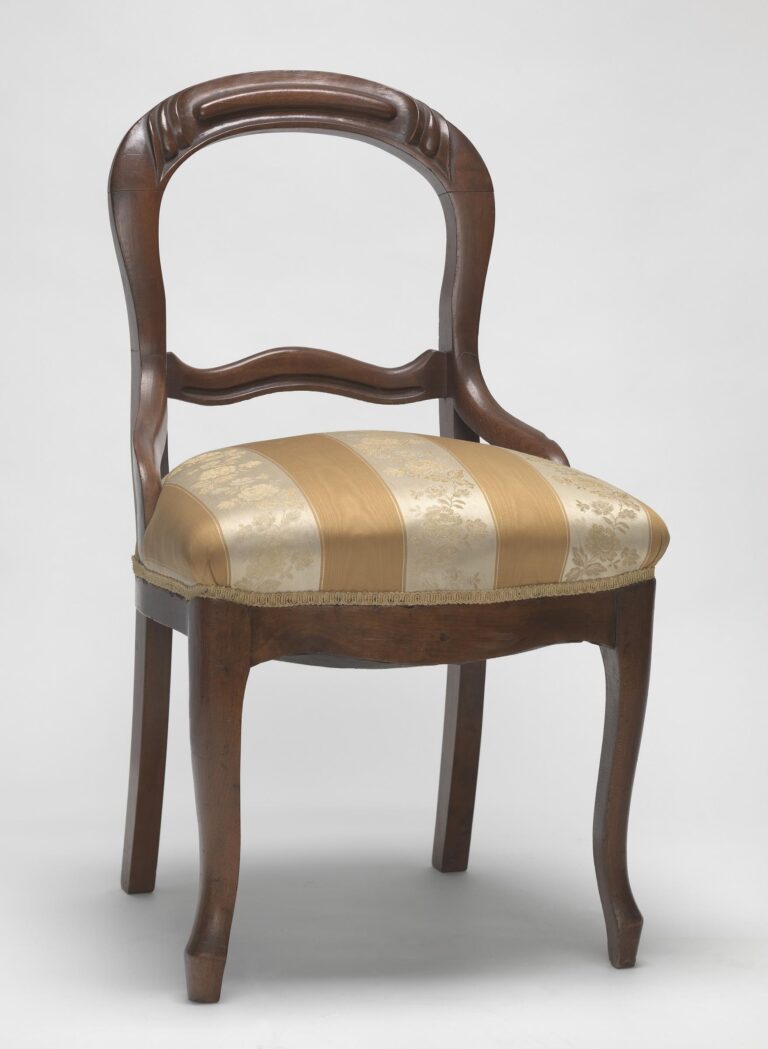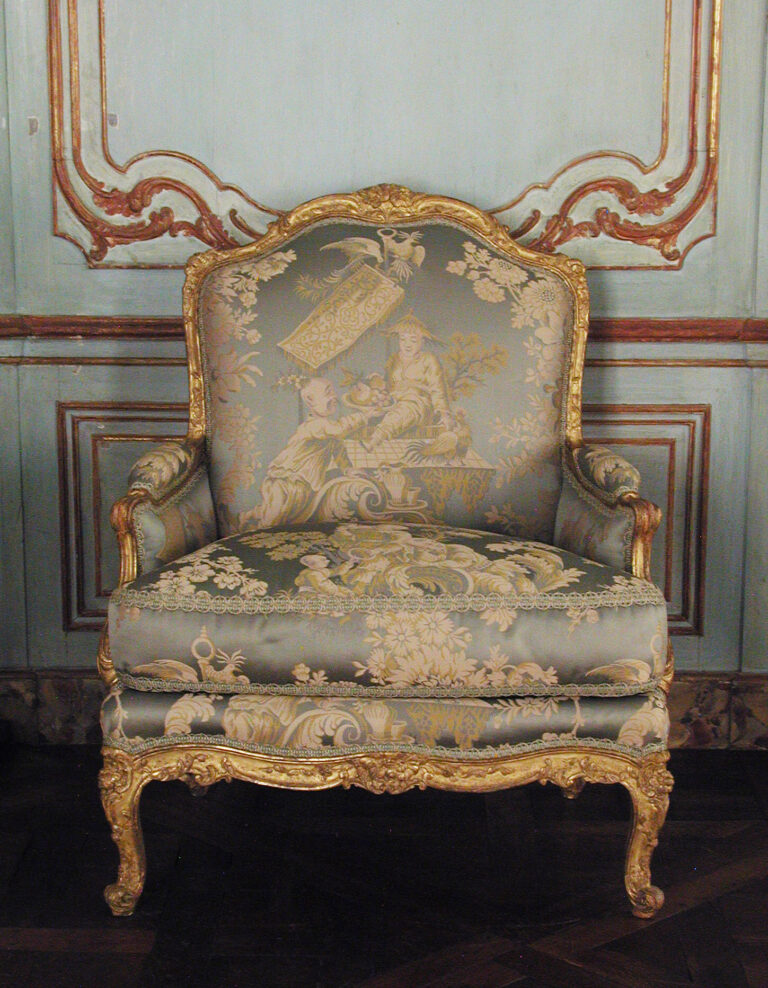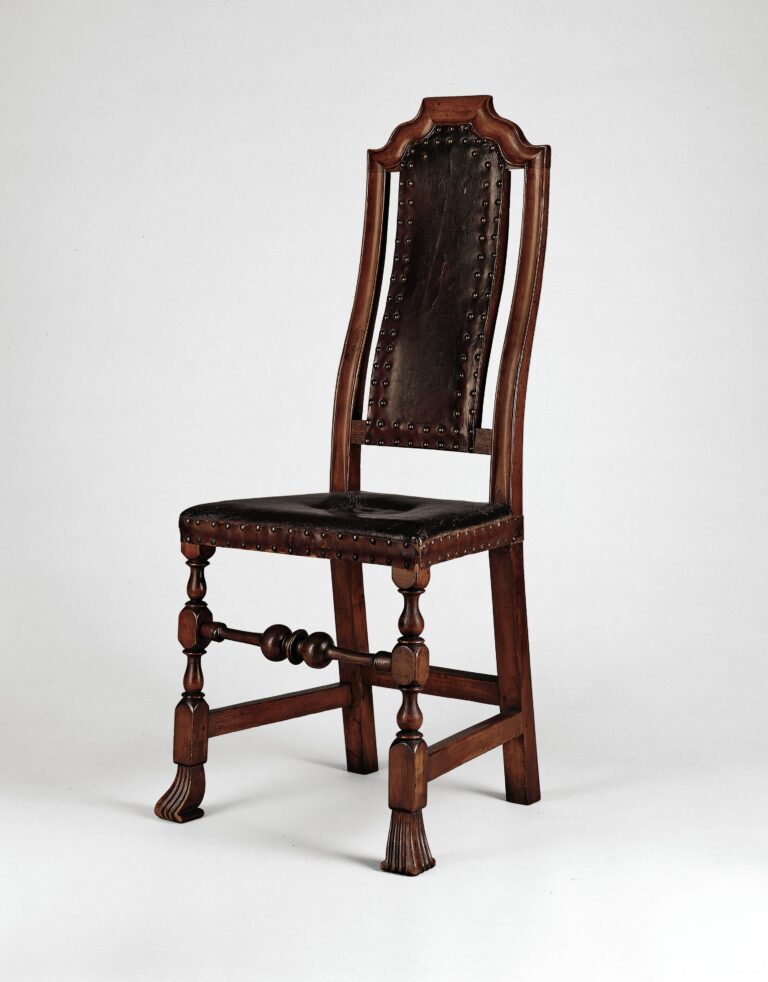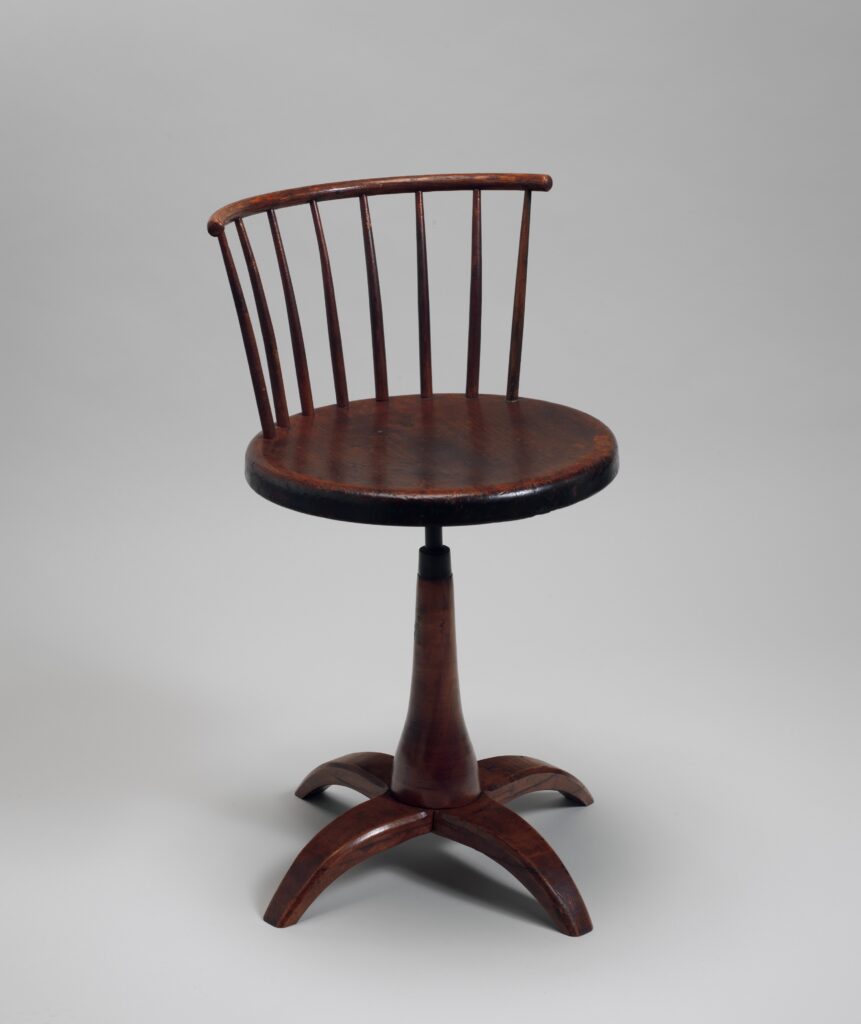
Restoring old chairs can be worthwhile when the frame is sound and the work suits the chair. A worn rush seat, poor upholstery or a loose joint may look discouraging, but each points to a different kind of repair. Start by checking the frame for splits, missing parts and movement, then consider the labour and materials involved. These six examples show why a chair’s condition matters more than its first impression—and why a finished chair may be best left alone.
How to decide whether restoring old chairs is worthwhile
The rush-seated one
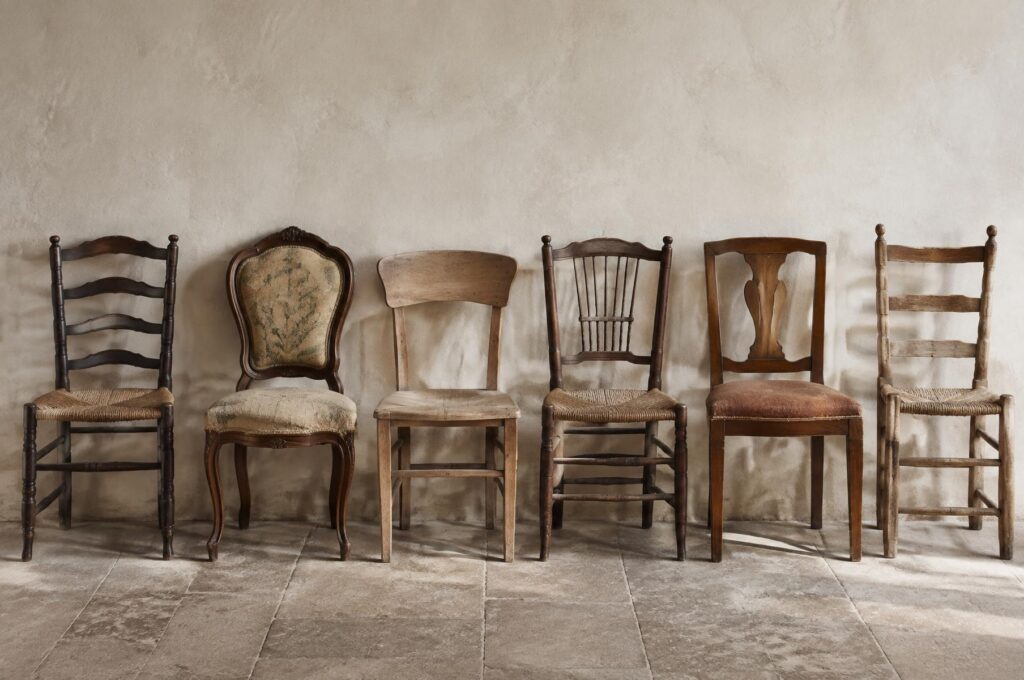
Rush seating fails predictably and repairably: it frays, sags and eventually snaps, while the frame underneath may remain sound. Check the rails and joints before judging the chair; a firm frame with a worn seat may need only new rush. Re-rushing is a specialist skill, but it is widely taught. For a chair with good proportions and sound timber, the cost of skilled seating work may be more sensible than discarding it.
The upholstered one, badly done before
A chair reupholstered once already, and not well, is not automatically a bad prospect. Staples over old tacks, foam over horsehair, these are corrections rather than disqualifications. Strip it back to the frame and start again, and the earlier poor work disappears. Before committing, check that the rails remain firm and the frame is square; inspect springs and webbing as well. If the structure is sound, new upholstery may be worthwhile. If rails are broken or the frame is distorted, include that repair in your assessment first. The V&A’s conservation of Marie Antoinette’s chair illustrates how upholstery work can affect a chair frame.
The one stripped to raw timber
Restoring old chairs with bare timber begins by asking how the surface was stripped. A chair already stripped of its finish is the easiest of the six, provided the stripping was done with a scraper and not a caustic dip. Check for that specifically: caustic leaves the grain raised and slightly fuzzy, and no amount of sanding fully corrects it. Stripping is difficult to reverse, so do not assume bare timber is always a fresh start. Check for remaining finish, gouges and softened edges; a chair with an otherwise sound frame may still be worth saving if the damage is limited.
The one with a wobble
A wobble is joints, not legs. Before assuming a leg is broken, check whether the joint itself has simply dried out and loosened, which is the far more common and far cheaper fault. Our guide to fixing a loose chair offers a fuller repair guide; a simple, sound joint may need only careful re-gluing. Check for cracks, missing pegs and loose stretchers before using the chair again. If the joint resists gentle movement or the frame is split, do not force it apart; a restorer can assess whether repair is safe.
The elegant one that looks too good to be cheap
Fine proportion and good timber can still be visible under grime, and a chair may be overlooked simply because it is dirty. Clean before you judge: a mild solution and soft brush can reveal the timber and outline of the frame. Check for loose joints, repairs hidden beneath the finish and damage around the feet. When restoring old chairs, a decorative shape alone is not enough; condition and likely repair work matter more.
The one that is genuinely finished
Not every chair needs work. One in six here needed nothing beyond a clean and a wax. Restoration is a means, not the point: a chair that already works does not need improving. Check that it is stable and clean it gently. Use wax only if it suits the existing finish, and avoid removing sound original material for the sake of a newer appearance. Leaving a good chair alone can be the most responsible choice.
Taken together, the six are a reasonable cross-section of what turns up in a saleroom on any given week. Most can be repaired, but repairability alone does not make a chair worth restoring. Before restoring old chairs, compare the frame’s condition with the work each one needs. Consider structural damage, specialist labour and whether the finish or upholstery needs attention. For broader buying checks, see our vintage furniture guide.
Part of the Complete Guide Buying Vintage Furniture: A Complete Guide Read the full guide →