In a wabi-sabi room, restraint is not the absence of decoration. It is the decoration. This is a genuinely difficult idea to execute, because everything about furnishing a house pushes in the other direction.
Japanese minimalism is often reduced to white walls and bare floors. The version worth keeping is closer to editing than emptying: one thing is kept and given room to be seen. The Scandinavian hybrid, Japandi, is a related idea but a different one.
One object, properly seen
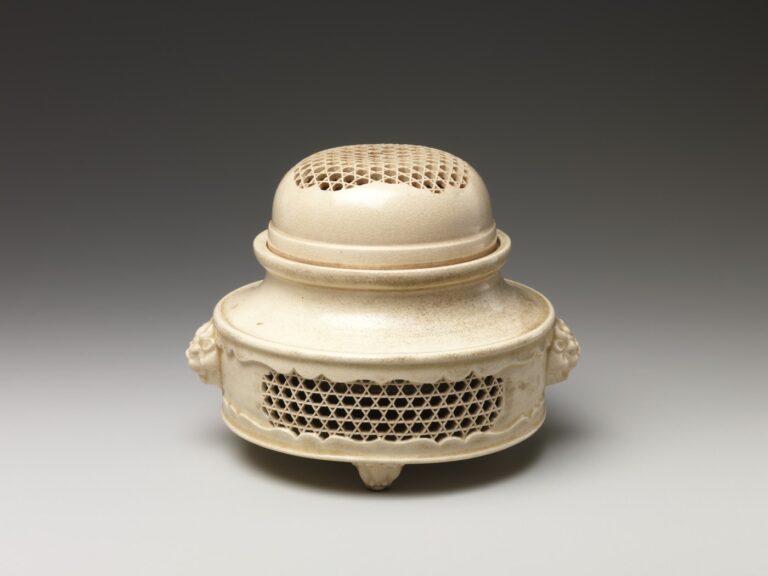
The principle is that a single object given enough space around it is more affecting than ten arranged well. A bowl on an otherwise empty shelf is looked at. The same bowl among a collection becomes part of a pattern.
This is why these rooms are so hard to keep. Every addition is individually reasonable and collectively fatal.
Texture carries the interest
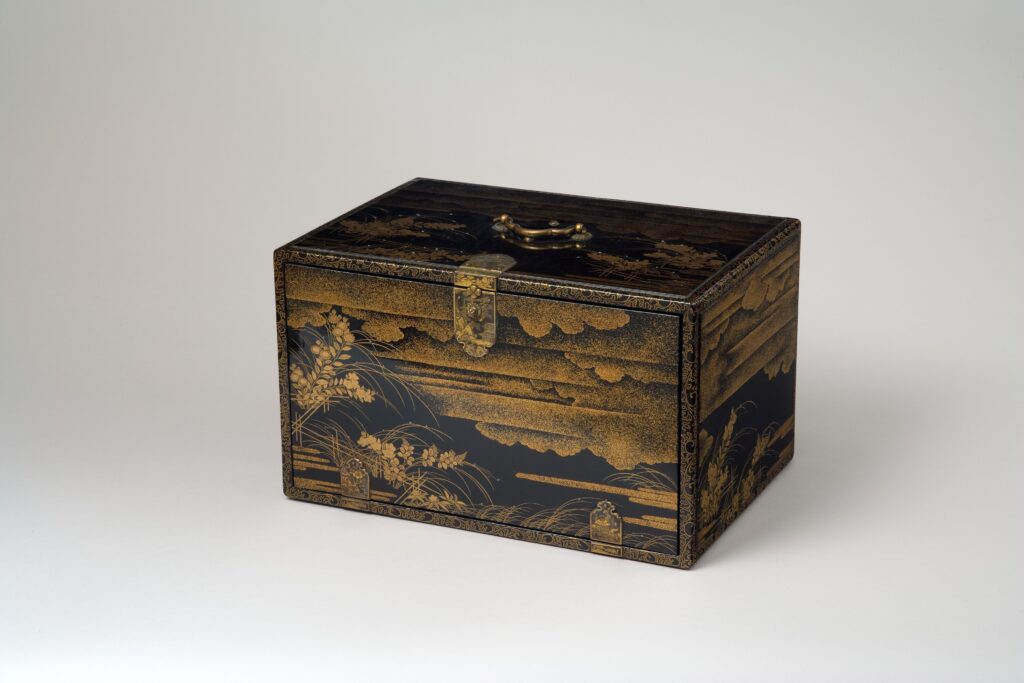
Remove pattern and colour and the room still has to hold attention, which it does through surface. Lime plaster that changes across the day. Timber with visible grain. Cloth with slubs in it. Ceramic with the maker’s fingers still in the glaze.
A restrained room built from flat, even, machine-perfect surfaces has nothing to look at, and that is the difference between Japanese minimalism and the showroom kind.
Asymmetry
Symmetry is the default when there is little in a room, and it should be resisted. A pair of matching lamps either side of a bed reads as a hotel. One lamp, placed slightly off centre, reads as a decision.
The Japanese tradition treats deliberate imbalance as a way of keeping a composition alive. It also happens to be considerably cheaper.
Not the same as a cleared room
A cleared room and a restrained room look alike in a photograph and feel different in use. The cleared room has simply had things removed, and what remains is whatever was left. The restrained room has had things chosen: the bowl on the shelf is there because it earns the space around it. If every surface is bare only because the clutter went into a cupboard, the room is tidy rather than restrained.
The discipline of stopping
The practical test is to finish a room, leave it a fortnight, and then remove one more thing. If the room is worse, put it back. It usually is not.
This is not a style you install. It is a standard you keep applying, and most rooms that fail at it failed six months after they were finished.