Japandi is a recent coinage for an older observation: that Japanese and Scandinavian design arrived at similar conclusions from different directions. Both value natural material, restraint, craft and light. Both distrust ornament that does no work.
In practice, Japandi takes the warmth and comfort of Scandinavian design and the discipline and emptiness of Japanese design, and expresses both in natural materials and a quiet palette.
Wabi-sabi is not the same thing. It is a Japanese aesthetic sensibility concerned with impermanence, imperfection and age, and it predates the hybrid style by centuries. The two are frequently used interchangeably, which is where most of the confusion starts.
Where the word came from
The word is recent. Jens Sejrup, associate professor of Japanese studies at the University of Copenhagen, tells the Danish Architecture Center that the term first emerged in the mid-2010s, and describes Japandi as a fusion of Scandinavian functionalism and Japanese minimalism. The theme was already at the design fairs: Stockholm Furniture & Light Fair held an exhibition in 2014 titled Material Attraction – Scandinavia Likes Japan, and by December 2016 the Australian newspaper The Daily Telegraph was calling Japandi the latest design trend.
The connection is much older. The same article traces it to Japonisme in the late nineteenth century, when Arnold Krog of the Royal Porcelain Factory came back from Paris in 1886 with a new visual language for the factory’s designs, and to the mid-twentieth century, when Japanese ideas often reached Denmark by way of American architects such as Frank Lloyd Wright. It names Kaare Klint, Poul Kjærholm, Axel Salto and Finn Juhl among the Danish designers inspired by Japanese craftsmanship, and notes Finn Juhl’s Japan furniture series of 1957 and the pleated lampshade, inspired by origami, that P. V. Jensen-Klint folded and that became the foundation of Le Klint.
Early Danish Japonisme was not minimalist. Pietro Krohn’s Heron dinnerware of 1888, the article says, was so elaborate that Japanese inspiration clearly did not mean minimalism at the time.
Where the two traditions meet
The shared ground is genuine. Both traditions favour low furniture, visible joinery, natural fibres and a limited palette. Both treat empty space as something to be preserved rather than filled.
The differences are worth knowing. Scandinavian interiors tend to be lighter, warmer in tone and more comfortable, with more textile and more colour than is often admitted. Japanese interiors are more rigorous about emptiness, more concerned with the relationship between inside and outside, and more willing to leave a room almost bare.
A successful Japandi room usually takes the warmth from one and the discipline from the other.
Japandi materials
- Pale timber, oak and ash, finished with oil or soap rather than lacquer.
- Darker timber used sparingly for contrast, often in a single piece.
- Lime plaster or clay paint, for a wall with visible depth and texture.
- Paper, in shades and screens, for light that is diffused rather than blocked.
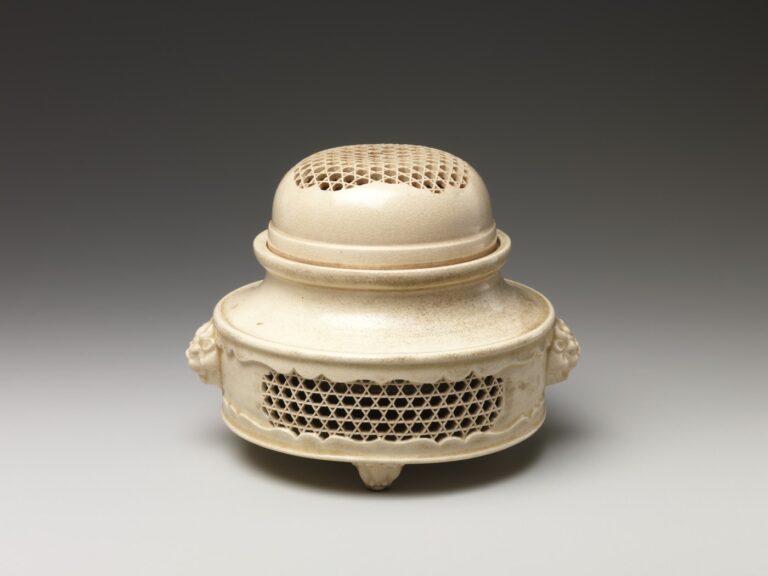
- Unglazed or matte-glazed ceramic, ideally handmade and slightly irregular.
- Linen, wool and undyed cotton. No synthetics, and nothing with a sheen.
The rule that holds all of it together is that materials should be what they appear to be. Timber-effect laminate, plaster-effect paint and stone-effect tile all fail in this style specifically, because the entire effect depends on the surface being honest.
The palette
Warm off-whites, oatmeal, bone, soft greys with a warm base, pale oak, and a small amount of something very dark, charcoal or near black, for definition.
Cool grey is the common error. It tips the room toward a showroom immediately, and it is the main reason so many attempts at this style end up feeling clinical.
How to keep it warm
This is the real difficulty, and it has three reliable answers.
Texture at every scale, so that plain surfaces are still interesting to look at closely. Light that is low, warm and pooled, never a single ceiling fitting. And at least one object with visible age, a worn bowl, an old bench, something repaired, to stop the room reading as newly installed.
A pared-back room with no old thing in it is not wabi-sabi. It is just minimalism.
Emptiness is the expensive part
The hardest element to achieve is the empty space, because every instinct and every storage solution works against it.
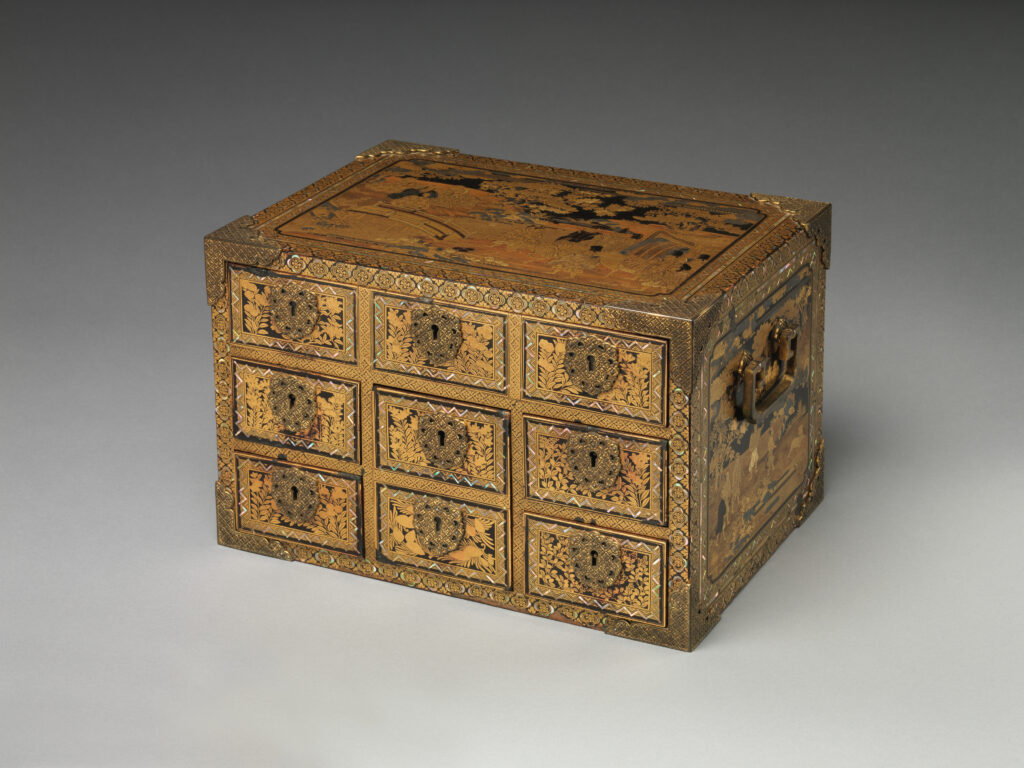
The practical approach is closed storage, generously sized and preferably built in, so that the things a household actually owns are out of sight rather than arranged. The visible restraint of these rooms is almost always supported by a large amount of hidden capacity.
Where it goes wrong
Buying a matched set of new furniture in pale wood, which produces a catalogue rather than a room. Treating wabi-sabi as permission for a single decorative crack. Using cool grey. And filling the space that the style depends on, usually within about six months.
The discipline is ongoing. That is the part nobody mentions.