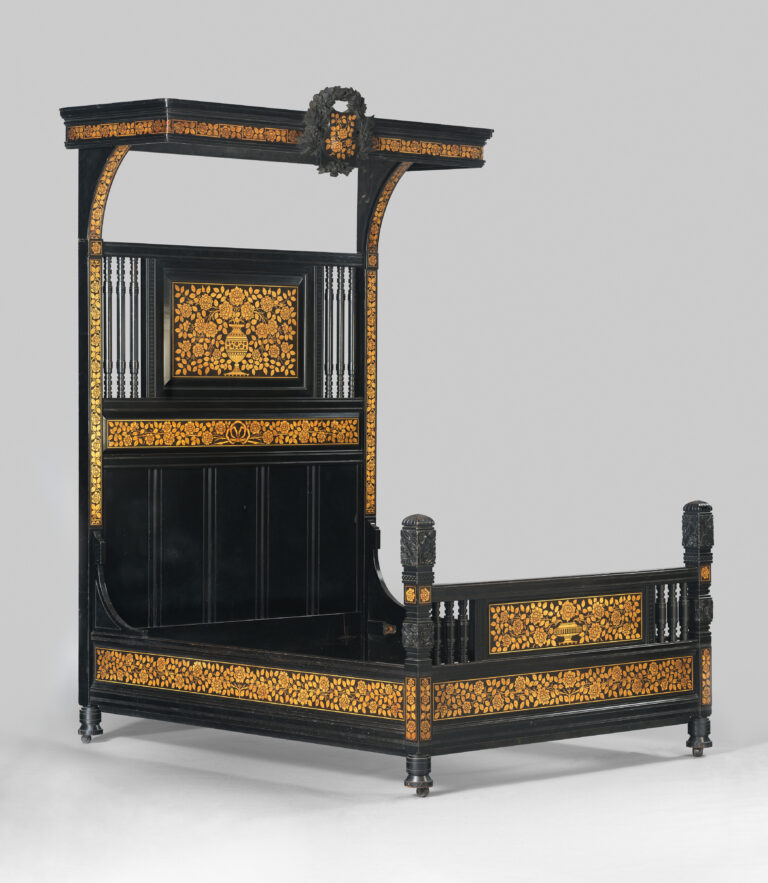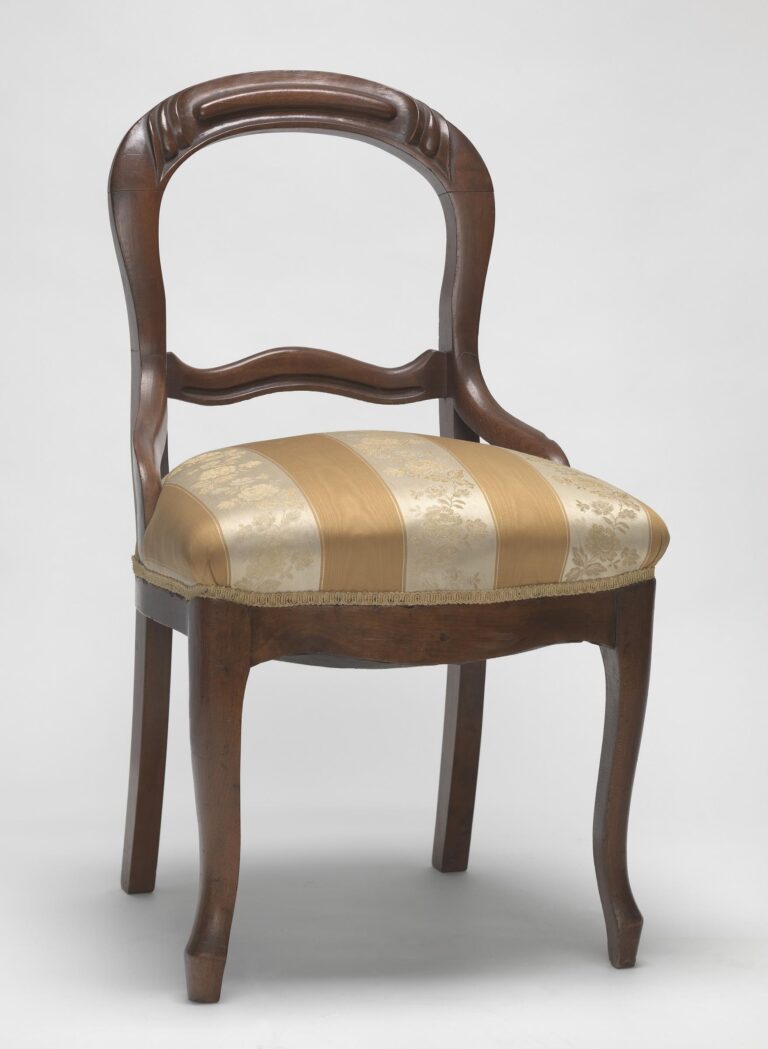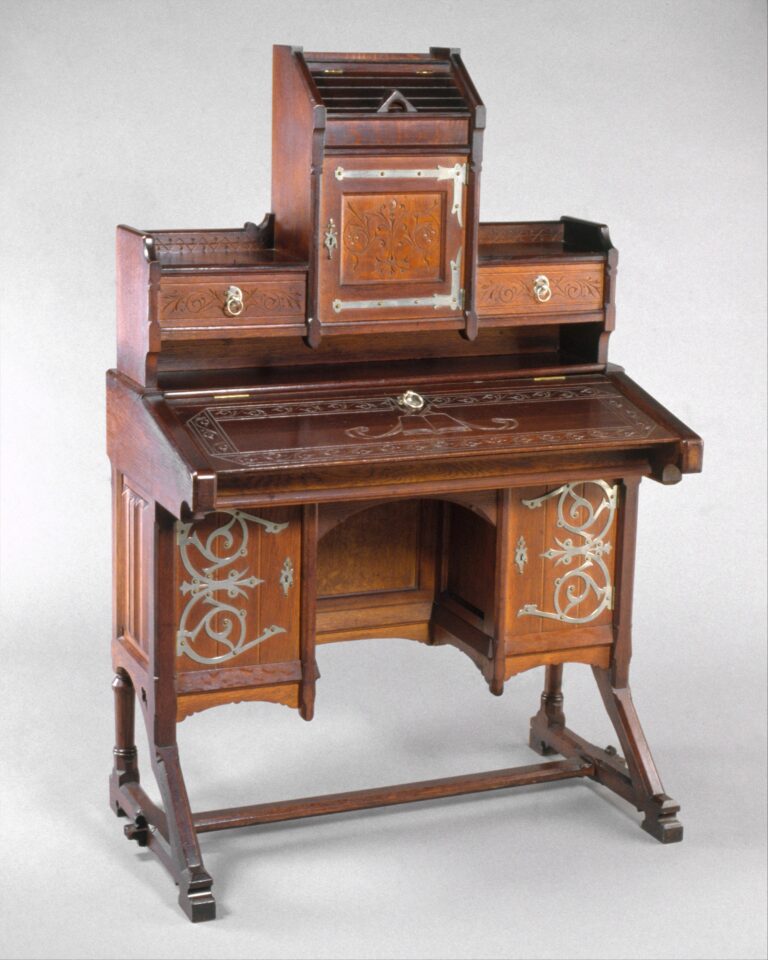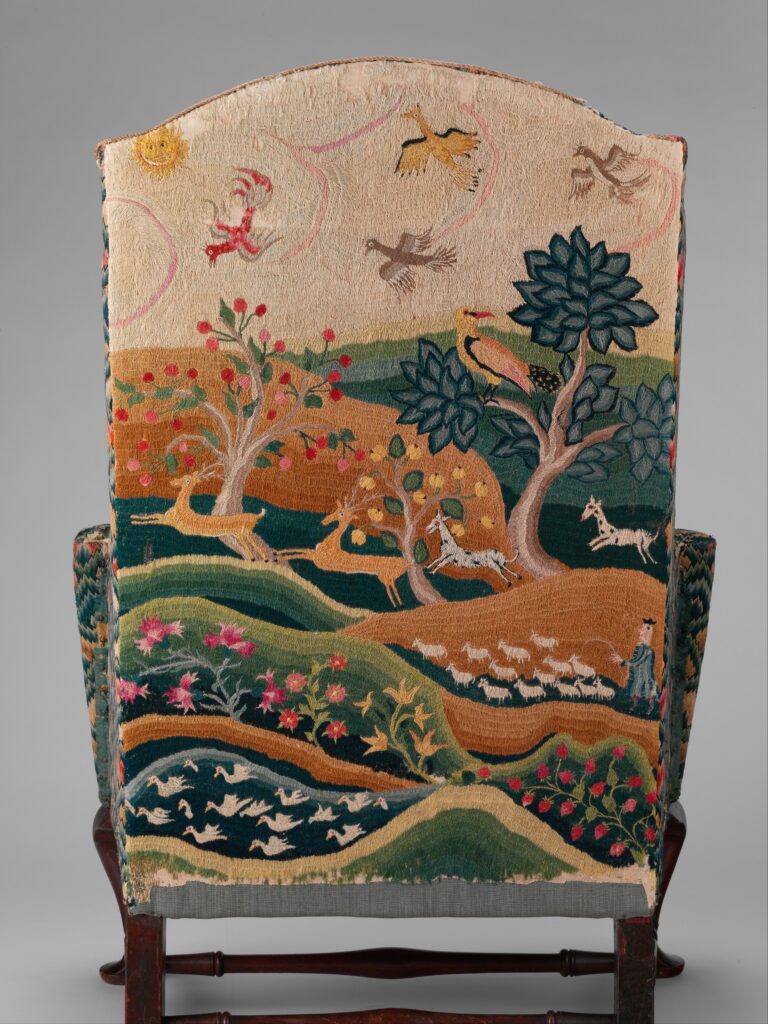
The front parlour was the most ridiculed room in British housing for most of the twentieth century. Kept for visitors who rarely came, furnished better than the rooms the family actually used, and cold for eleven months of the year.
The Victorian parlor is quietly returning, under different names, and the reasons are worth examining. Parlor is the American spelling; the British parlour is used here.
What the Victorian parlor was for
In a terraced house with a working kitchen, a scullery and bedrooms, the parlour was the only room that could be kept in order. It was where a household presented itself, and keeping it separate from daily mess was the entire function.
Calling that pretension misses the point. In a small house with a lot of people in it, one room that stays tidy is a considerable luxury. How Victorian rooms were designed for living shows how the rest of the house worked around it.
Merriam-Webster defines a parlor as a room in a private dwelling for the entertainment of guests, and it lists “parlor furniture” as a category of its own. The Met shows what that furniture could look like in the United States: John Henry Belter’s rosewood sofa of 1850 to 60 is, in the museum’s words, a model of the Rococo Revival style, which was favored for fashionable parlors throughout the country. A New York sofa is not a British terrace’s front-room chair, but both were bought for the people who came to look. For the pieces themselves, see the Victorian furniture guide and the Victorian settee guide.
Why it went
Central heating removed the penalty for using every room. Television gave the household a single focal point, and the family gathered wherever it was. Open plan then removed the walls entirely.
Each change made sense on its own. Together they produced a house with one large room where everything happens at once.
Why it is coming back
Working from home is the obvious driver, but the deeper one is that households now contain several people each consuming something different. A single shared room cannot absorb a video call, a guitar and a television at once.
The second room is being rebuilt, usually as a snug, a study or a reading room. The name has changed because the word parlour still sounds like an apology.
How to do it now
- Make it small. A parlour that feels generous is not doing its job.
- Go darker than the rest of the house. The contrast on entering is most of the effect.
- Keep the screen out, or make it the only thing in there.
- Put in proper seating for two or three, not a sofa built for five.
- Give it a door that closes, which is the whole proposition.
The Victorians were not being precious. They had worked out that a house needs at least one room that is not doing the washing.
Sources
- Merriam-Webster, parlor
- The Metropolitan Museum of Art collection record: Sofa, John Henry Belter (1999.396)