Victorian Sofas, Settees and Fainting Couches: Names, Forms and How to Tell Them Apart

Settee, sofa, couch, chaise: what the Victorians called each seating form, how they were built and upholstered, and how to recognize an original.

Settee, sofa, couch, chaise: what the Victorians called each seating form, how they were built and upholstered, and how to recognize an original.
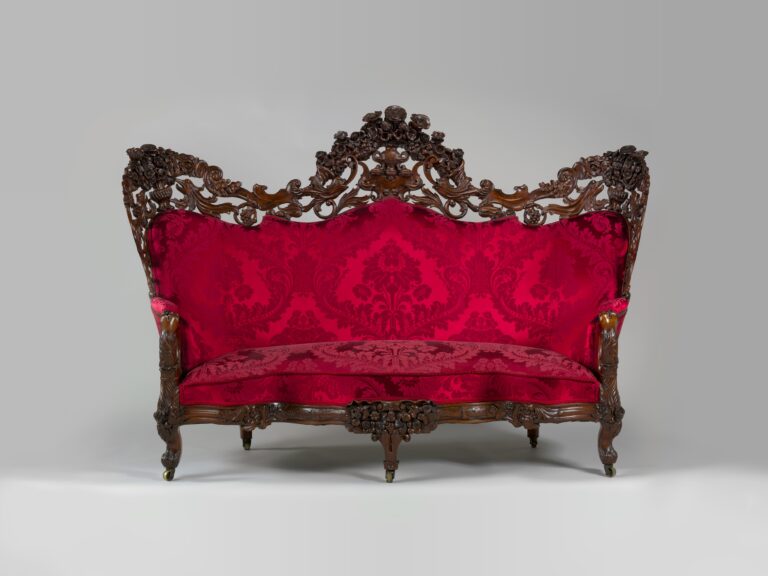
What defines Victorian furniture, from Gothic Revival to Eastlake: the styles, woods and forms of the period and how to recognize them, with museum examples.

What ormolu is, how gilt bronze mounts were made and used on French furniture, and how to recognize them, with examples from museum collections.
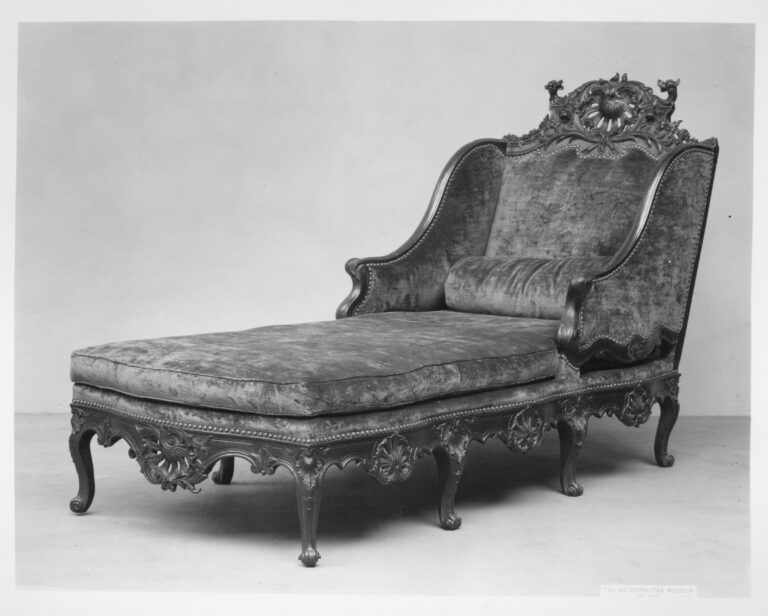
French Provincial furniture explained: the regional furniture of eighteenth-century France, the later American factory style that shares its name, and how to tell them apart.

Louis XVI furniture explained: straight lines, classical motifs and fine veneers, with museum examples and how it differs from Louis XV.
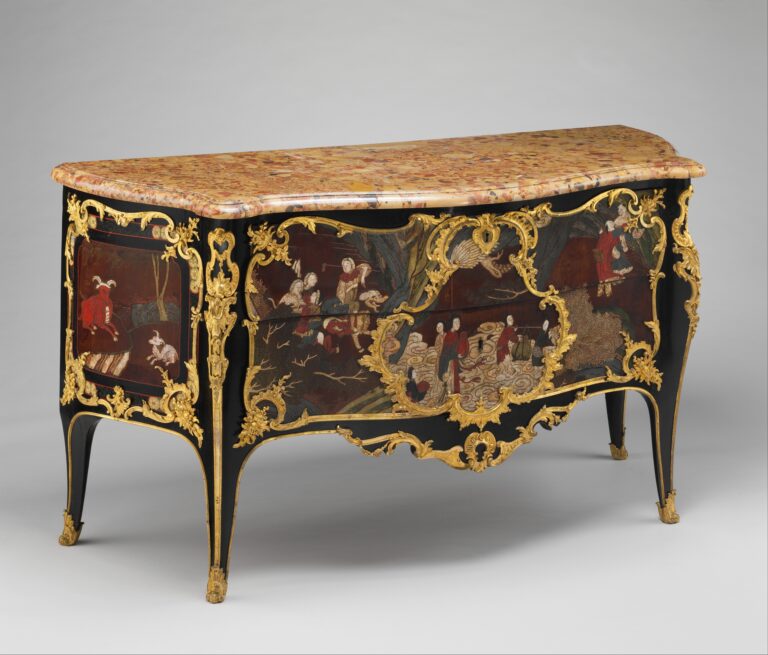
What defines Louis XV furniture: curved forms, carved detail and cabriole legs, with museum examples and a short guide to recognizing period pieces.

A visual timeline of French furniture styles, from Louis XIII to the Belle Époque, with museum examples and a short guide to reading a period label.
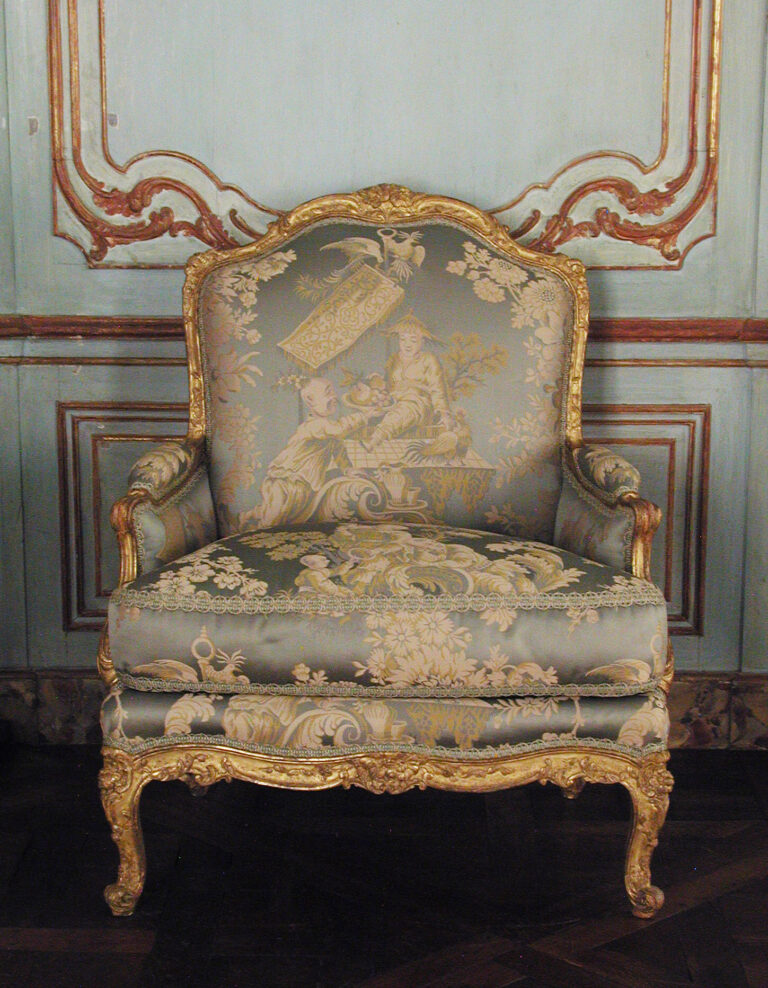
A bergère has closed sides, a fauteuil open arms. How to tell the two French armchairs apart, and how to tell an original from a copy.
A room that shows its age has not failed. On wear, repair, and the Japanese idea that imperfection is where beauty actually lives.