Chawan: How to Read a Japanese Tea Bowl Before You Buy

A chawan read through four Metropolitan Museum tea bowls: Raku, Black Seto and Black Oribe, the museum's own wording on attribution, and what to ask before you buy.

A chawan read through four Metropolitan Museum tea bowls: Raku, Black Seto and Black Oribe, the museum's own wording on attribution, and what to ask before you buy.

Japanese lacquerware read through four Metropolitan Museum boxes: function, maki-e techniques, the Kaga school, and a Japanese box given French mounts.
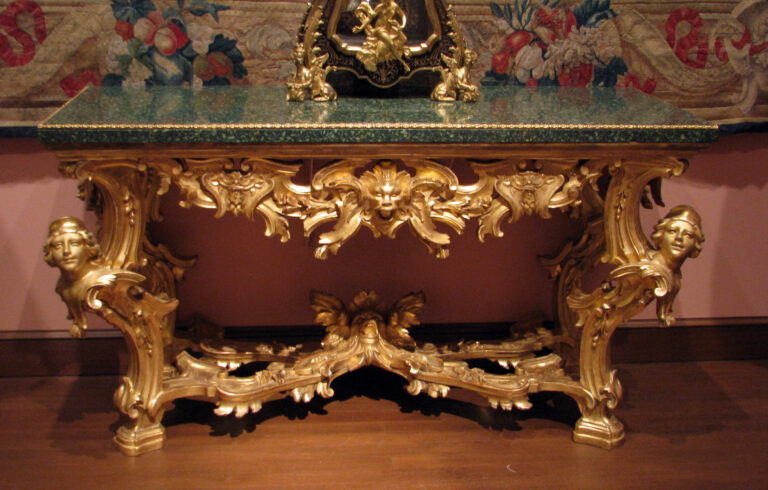
Rococo style vs Baroque furniture, shown through seven Metropolitan Museum pieces: how weight, line and ornament differ, and how to tell period Rococo from its heavier revival.
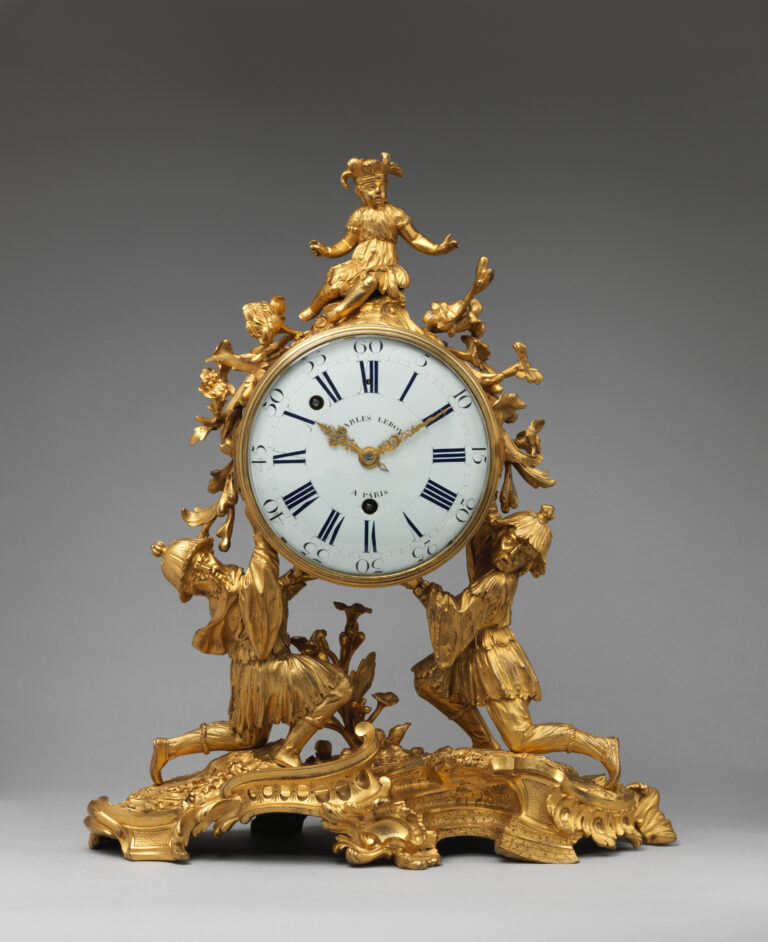
A French mantel clock is a case, a dial and a movement, often by different makers. Museum records show how to read the signatures, stamps and dates that tell them apart.
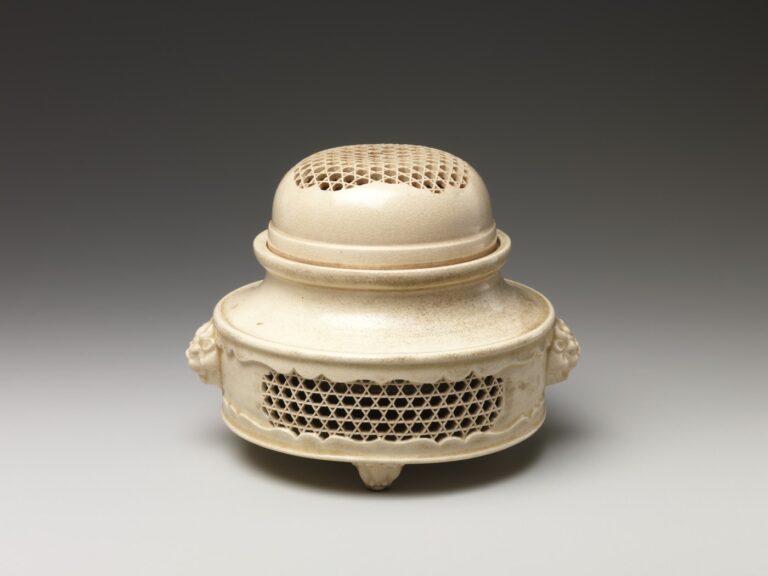
Satsuma ware looks like porcelain but is earthenware under a crackled glaze. Four museum pieces show the early restrained look, the Meiji export style and what to ask before you buy.
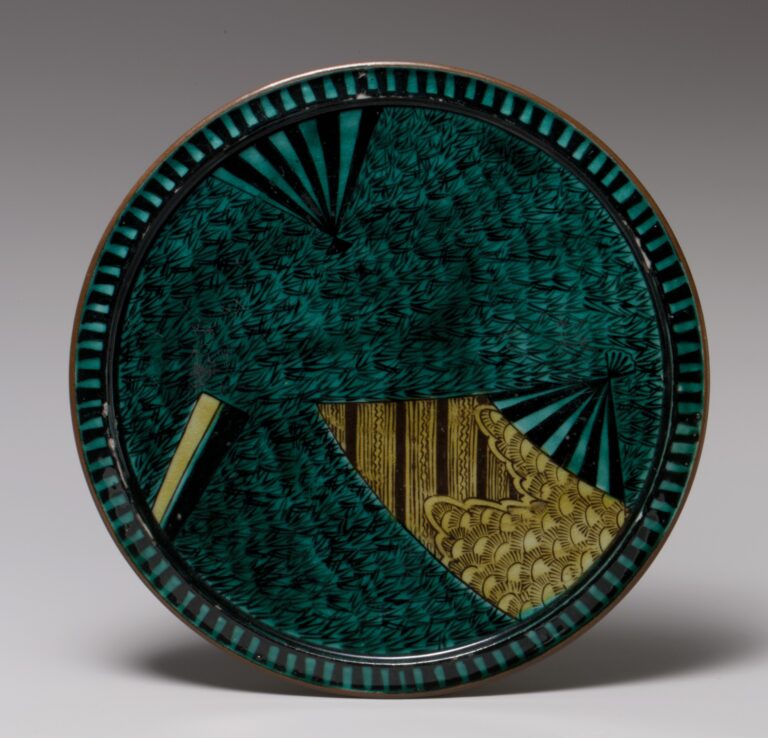
Kutani ware is Japanese porcelain tied to Kaga, but where Ko-Kutani was made is still debated. Seven Met pieces show the five colors, the revival and Meiji export wares.

Imari ware is Japanese porcelain from the Arita kilns, but the look was copied in China and Europe. Seven Met pieces show how to read the colors, forms, marks and repairs.

How to identify antique Japanese porcelain: the Arita kilns, Imari, Kakiemon and Nabeshima, export versus domestic wares, marks, dating and condition.
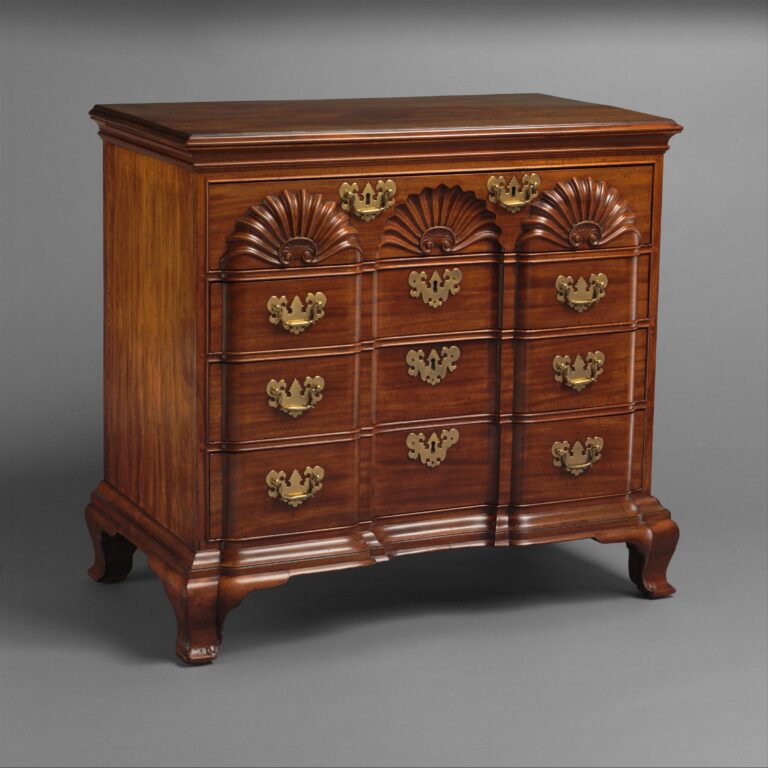
An antique chest of drawers began as a chest with drawers in its base. Six Met examples, American and English, show how it changed and what to check before you buy one.