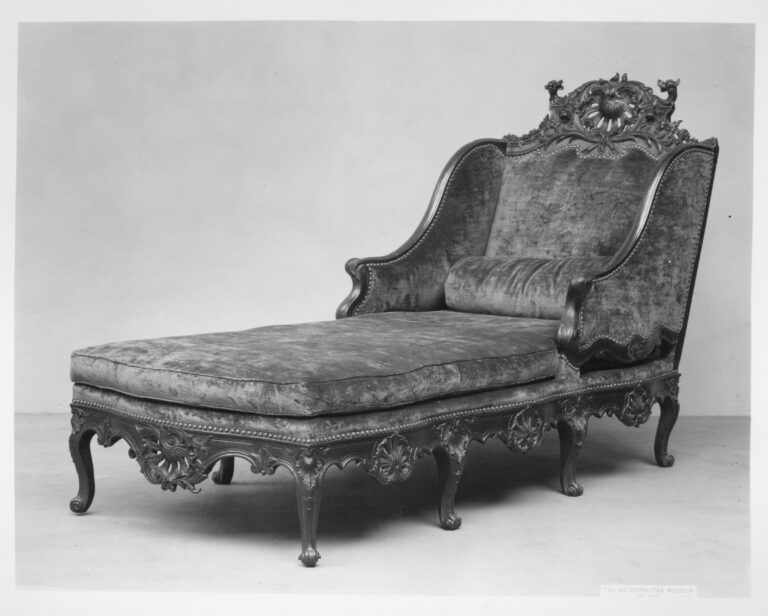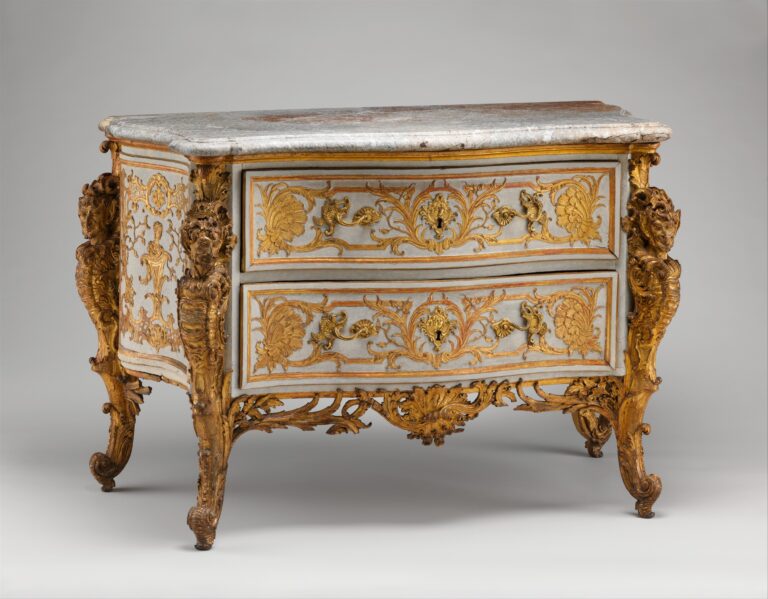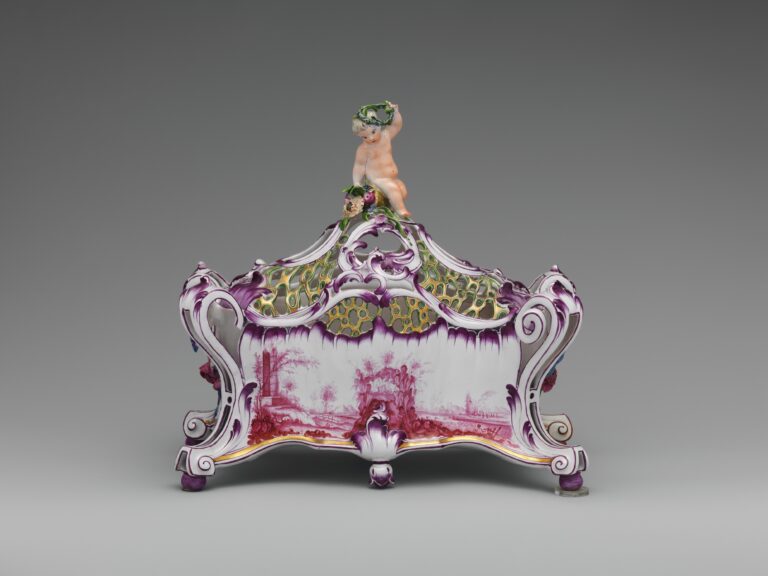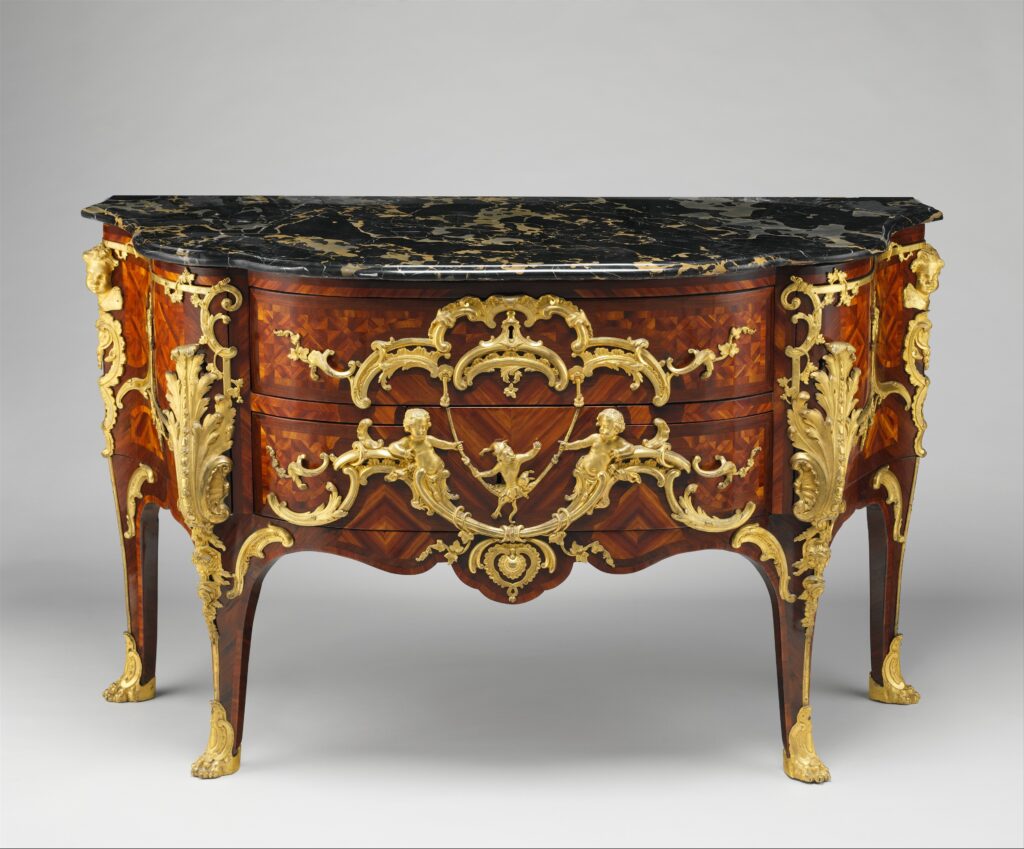
French vintage decor covers two related but distinct traditions: the provincial furniture made in regional workshops for rural houses, and the lighter, more formal look of the Parisian apartment. They share a palette and a general restraint, and they behave very differently in a room.
This guide covers both, what defines them, and how to source the pieces without buying a reproduction of a reproduction.
What counts as French vintage decor
The phrase covers more than the dealers’ word “vintage” suggests. Antique, in the sense recorded from customs laws, means made at least a hundred years ago; vintage is the looser word, so a room of French vintage decor can mix both. The buying guide covers how to tell what you are being sold.
The French part is a design tradition, not a label. “French Provincial” can mean regional furniture of the eighteenth century or American factory suites of the 1950s to 1970s, which the French Provincial guide separates, and the court styles that both provincial and Parisian rooms borrow from run in order through French furniture styles. This page is about the decor: how the rooms are put together.
Provincial and Parisian
Provincial furniture was made locally, in local timber, by joiners working at a distance from court fashion. Shapes echo grander originals but the carving is simplified, gilding is absent, and construction is robust. Walnut and fruitwood in the south, oak in the north, softwood where the piece was intended to be painted.
The Parisian interior is a different proposition: taller rooms, parquet floors, plaster mouldings, marble chimneypieces, and furniture that is lighter and more slender. Where the provincial room is about mass and utility, the apartment is about proportion and line.
Both can work. Combining them without noticing produces rooms that feel oddly weighted, with heavy rustic pieces sitting under delicate mouldings.
Surfaces first
The characteristic French interior depends more on how surfaces are finished than on colour.
Limewash is slightly translucent, uneven and mildly chalky, and it changes with the light through the day. Flat modern emulsion mixed to the same shade will look dead by comparison, which is the most common disappointment in imitations of this style.
Floors are terracotta, stone, or timber left pale and dry-looking rather than glossy. Parquet in an apartment is waxed, not lacquered. Ceilings often show their beams, and those beams are usually dark with age rather than stained to look old.
The palette
Chalky white, warm greys, soft faded blue, muted sage, and the ochre of the render itself. Colour is low in saturation and generally arrives on textiles or paintwork rather than walls.
The safest approach is to treat the walls as a neutral shell and let the timber, the stone and the textiles carry everything else.
The pieces that matter
- The armoire. Tall, deep, often with shaped cornice and long doors. Built for houses with no fitted storage.
- The buffet or enfilade. Low, long, and the most useful French piece in a modern house.
- The farm table. Scrubbed rather than polished, with a thick top and substantial legs.
- Rush-seated ladder-back chairs. Light, cheap to repair, and correct in almost any French room.
- The iron bedstead, usually painted, often narrower than a modern bed.
- The bergere or cane-backed fauteuil for the more formal version of the look.
Textiles
Heavy natural linen in undyed or barely dyed shades does most of the work. Ticking stripe, in blue or brown on cream, is the reliable pattern.
Toile de Jouy is cotton or linen printed with landscapes and figures, named for Jouy-en-Josas, near Versailles, where Britannica records that Christophe-Philippe Oberkampf started a factory in 1760. It is the most recognisable French pattern and the easiest to overuse.

The Met calls the example above this type of monochromatic pictorial cotton. In its account, block printing came first and could carry multicolored patterns; copperplate printing, possible by the 1770s, allowed larger repeats but only in a single color, and roller printing soon increased production on a narrower repeat. The example above was designed by Jean-Baptiste Huet in response to interest in Egyptian civilization after Bonaparte’s expedition. Toile works best on one surface only, and far better faded than fresh.
Whatever you choose, wash it repeatedly before deciding it is wrong. Most French textiles are supposed to look tired.
Sourcing
Genuine provincial pieces are still widely available and are often cheaper than new furniture of comparable size, because they are large and shipping is expensive.
Check whether painted finishes are original or recent. Original paint is thin, worn through at the handles and edges, and shows the grain. Modern distressing is thick, evenly sanded on the corners, and stops abruptly.
On armoires, confirm the piece comes apart. Most were built to be dismantled, and one that has been glued or screwed solid has usually been altered.
Keeping it from becoming a theme
The risk with this style is accumulation, because the individual elements are so recognisable. Wire baskets, enamel jugs, printed signage and dried lavender turn a French room into a French-themed room very quickly.
Keep the architecture and the surfaces right, buy three or four good pieces of furniture, and resist the accessories entirely. The style was never about objects.
Where the specifics live
This page is the overview. The formal Parisian end of the look draws on marquetry and gilt bronze, which are explained in marquetry and parquetry and in ormolu and gilt bronze, and the style that reshaped French furniture around 1900 has its own guide in Art Nouveau furniture. The big storage pieces are covered in the antique French commode guide and, on armoires, in the guide linked above.
Sources
- Merriam-Webster, antique
- Encyclopaedia Britannica, Toile de Jouy
- The Metropolitan Museum of Art collection record: Les monuments d’Égypte, Oberkampf Manufactory (X.404)